
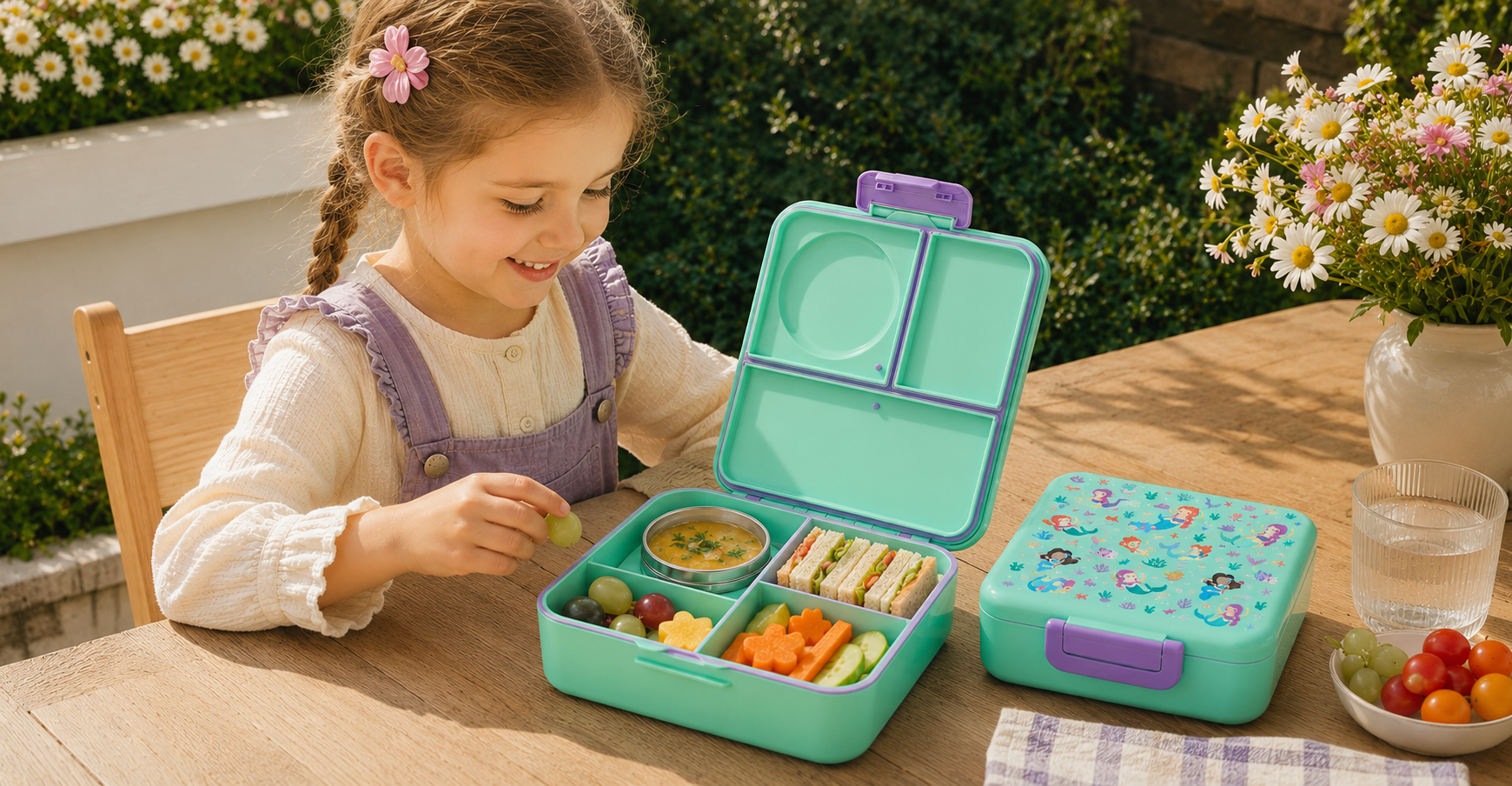
How to Pack a Healthy School Lunch Every Day
Packing a healthy school lunch every day doesn’t have to be stressful or time-consuming. With a little planning and the right balance of nutrients, you can create lunches that are both nutritious and appealing—helping your child stay energized, focused, and ready to learn.
This guide breaks down simple, practical steps to make healthy lunch packing easier for busy parents.
1. Build a Balanced Lunch
A healthy school lunch should include a mix of key food groups to support growth and energy:
-
Protein: chicken, eggs, cheese, yogurt, tofu, beans
-
Whole grains: brown rice, whole wheat bread, pasta, crackers
-
Fruits: apples, grapes, berries, oranges, bananas
-
Vegetables: carrots, cucumbers, cherry tomatoes, bell peppers
-
Healthy fats: avocado, nuts (if allowed), seeds, olive oil-based dressings
A balanced meal helps keep kids full longer and supports better concentration at school.
2. Keep It Simple and Repeatable
You don’t need to create a new menu every day. In fact, simple rotations work best.
Try building a weekly rotation like:
-
Monday: sandwich + fruit + yogurt
-
Tuesday: rice bowl + vegetables + protein
-
Wednesday: pasta + fruit + snack
-
Thursday: wrap + veggies + cheese
-
Friday: “fun lunch” with small treats
Repeating familiar meals saves time and reduces morning stress.
3. Use a Bento-Style Lunch Box
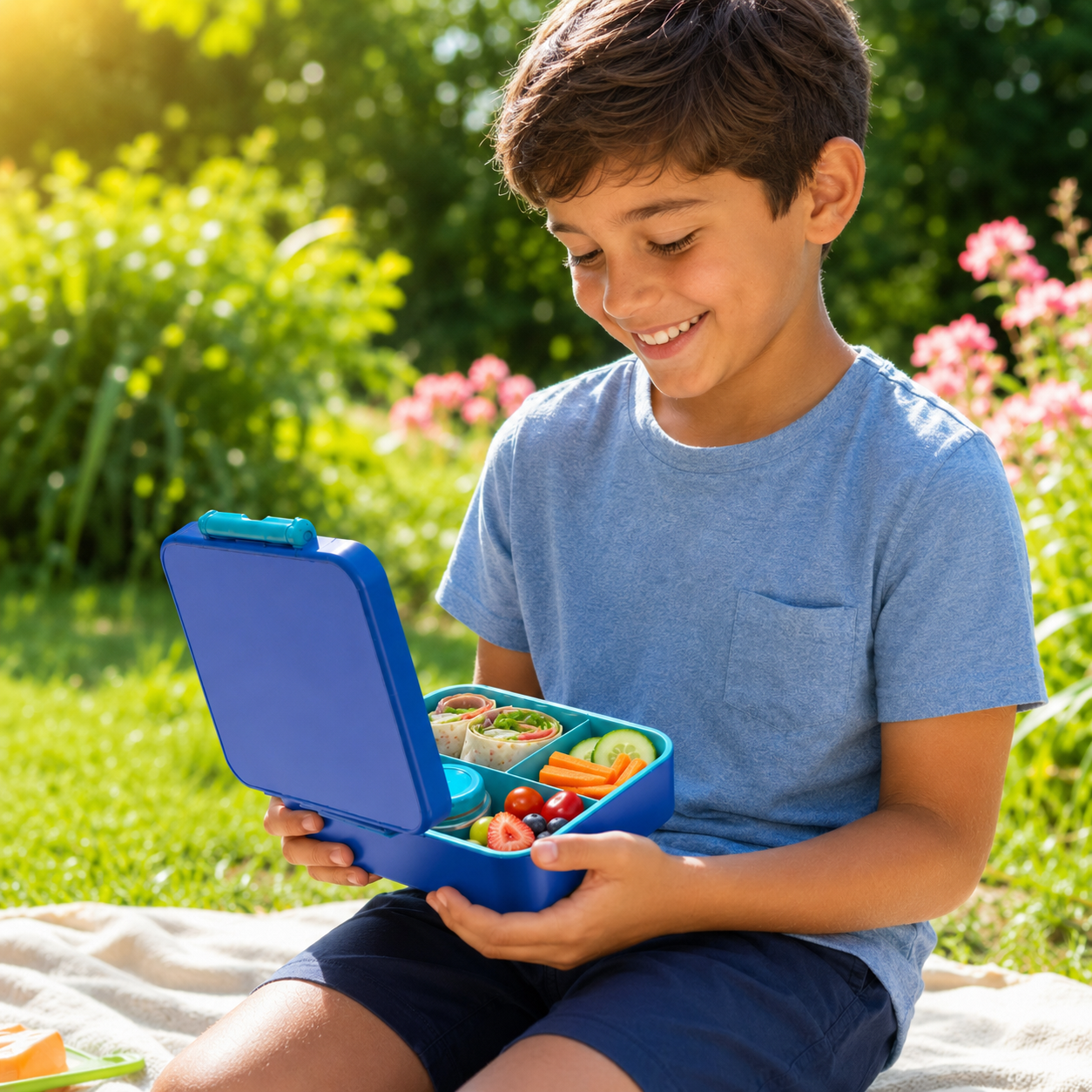
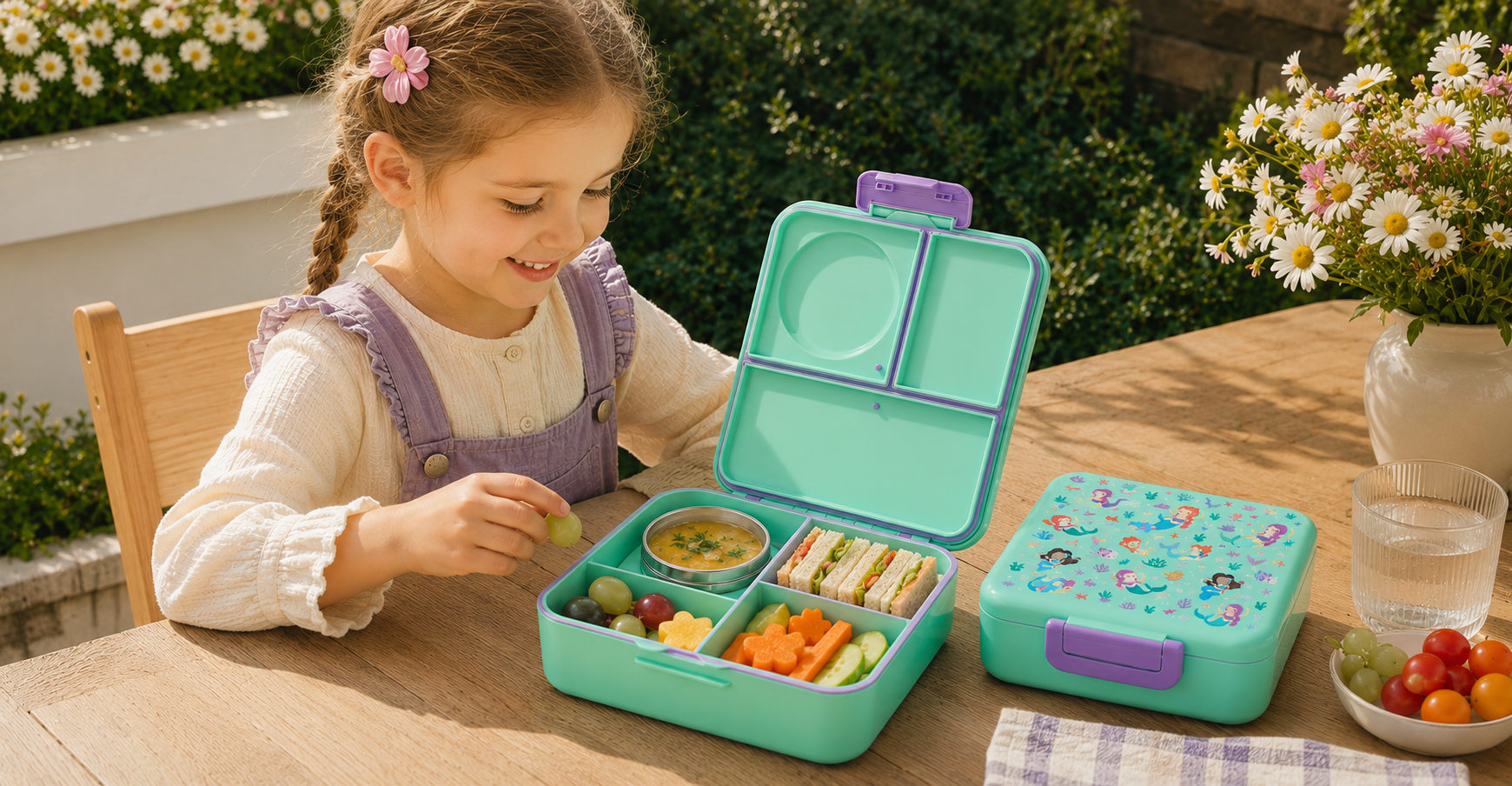
A compartmentalized lunch box makes it easier to pack balanced meals in the right portions.
Benefits include:
-
Keeps food separated and fresh
-
Encourages variety in small portions
-
Makes lunches visually appealing for kids
-
Helps control portion sizes
Bento-style boxes are especially helpful for picky eaters because they offer variety without overwhelming them.
4. Prep Ingredients Ahead of Time
Meal prep is the secret to stress-free mornings.
You can prepare ahead by:
-
Washing and cutting fruits and vegetables
-
Cooking proteins in batches
-
Pre-portioning snacks
-
Packing dry items in advance
Even 20–30 minutes of prep time in the evening can make mornings much smoother.
5. Keep Foods Safe and Fresh
Food safety is essential, especially for perishable items.
Tips to keep lunches fresh:
-
Use insulated lunch boxes
-
Add ice packs for cold foods
-
Avoid leaving food at room temperature too long
-
Use leak-proof containers for sauces and yogurt
-
Pack perishable items last before leaving home
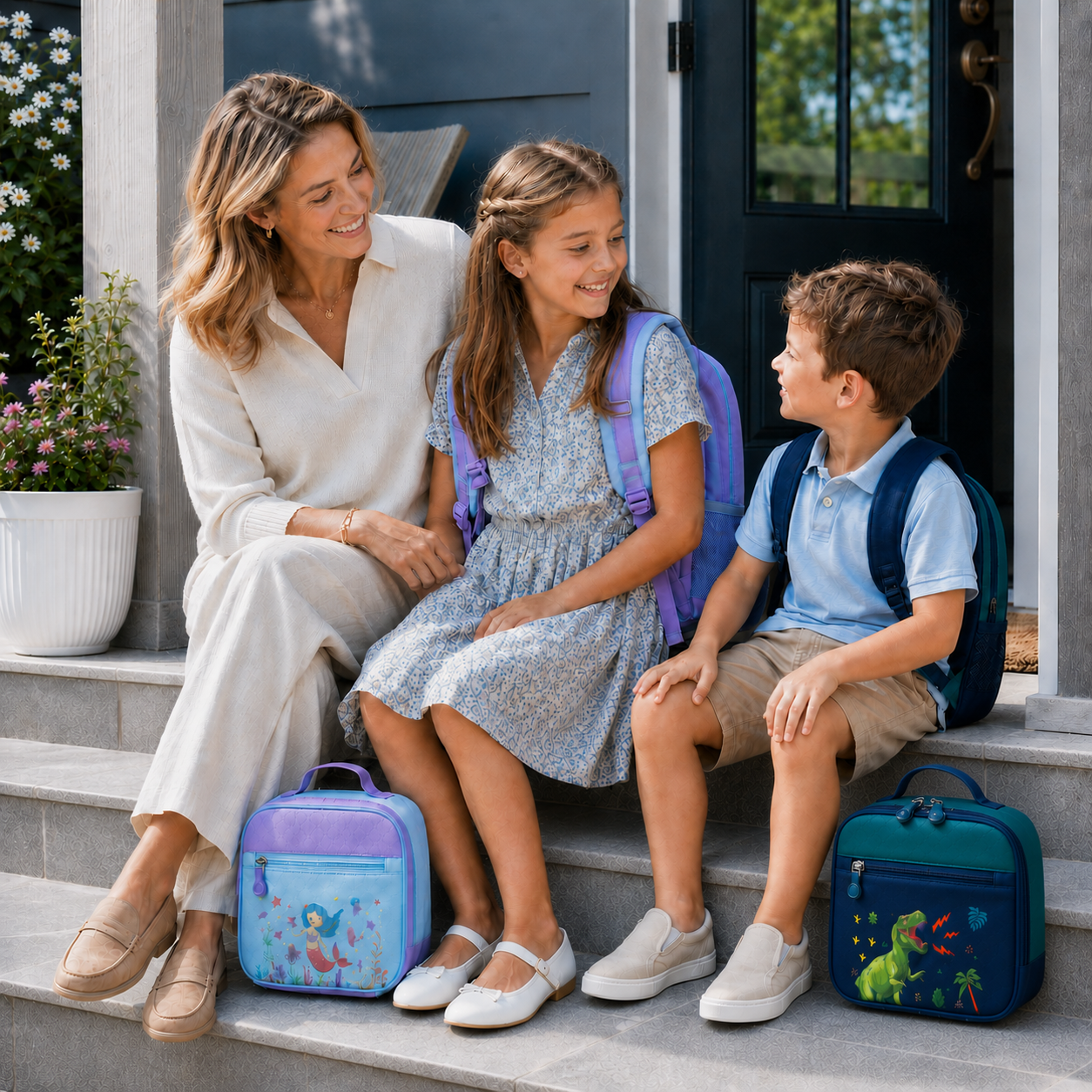
A good insulated lunch bag helps maintain temperature until lunchtime.
6. Make It Kid-Friendly
Healthy doesn’t have to mean boring. Presentation matters—especially for kids.
Try:
-
Cutting sandwiches into fun shapes
-
Using colorful fruits and vegetables
-
Adding small dips like hummus or yogurt
-
Including a “surprise snack” once in a while
When kids enjoy their lunch, they are more likely to eat it.
7. Include Hydration
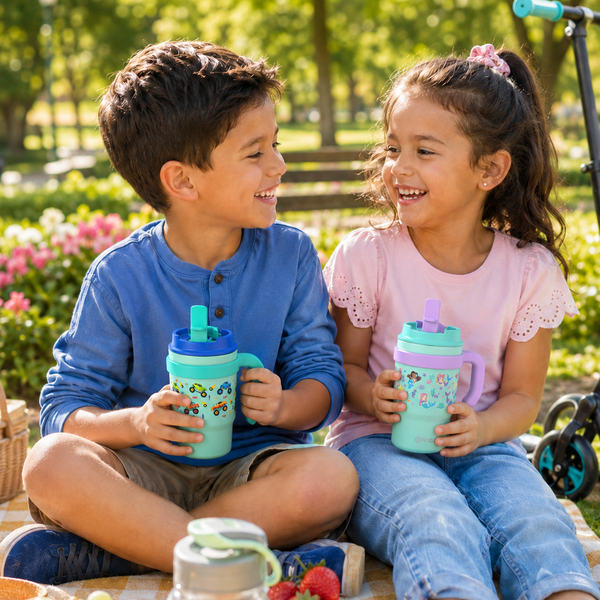
Don’t forget a reusable water bottle.
Water is essential for:
-
Focus and concentration
-
Energy levels
-
Overall health
Choose a durable, leak-proof bottle that your child can easily open and carry.
8. Avoid Common Lunch Packing Mistakes
Here are a few things to watch out for:
-
Packing too much food (leads to waste)
-
Overloading with processed snacks
-
Forgetting variety in colors and textures
-
Not considering your child’s preferences
-
Ignoring portion sizes
A simple, balanced approach is always better than overcomplicated meals.
Final Thoughts
Packing a healthy school lunch every day becomes much easier with planning, consistency, and the right tools. By focusing on balance, simple meal prep, and kid-friendly presentation, you can create lunches your child will actually enjoy eating.
With a little routine and preparation, healthy school lunches can become a stress-free part of your daily life—and a big boost to your child’s school success.